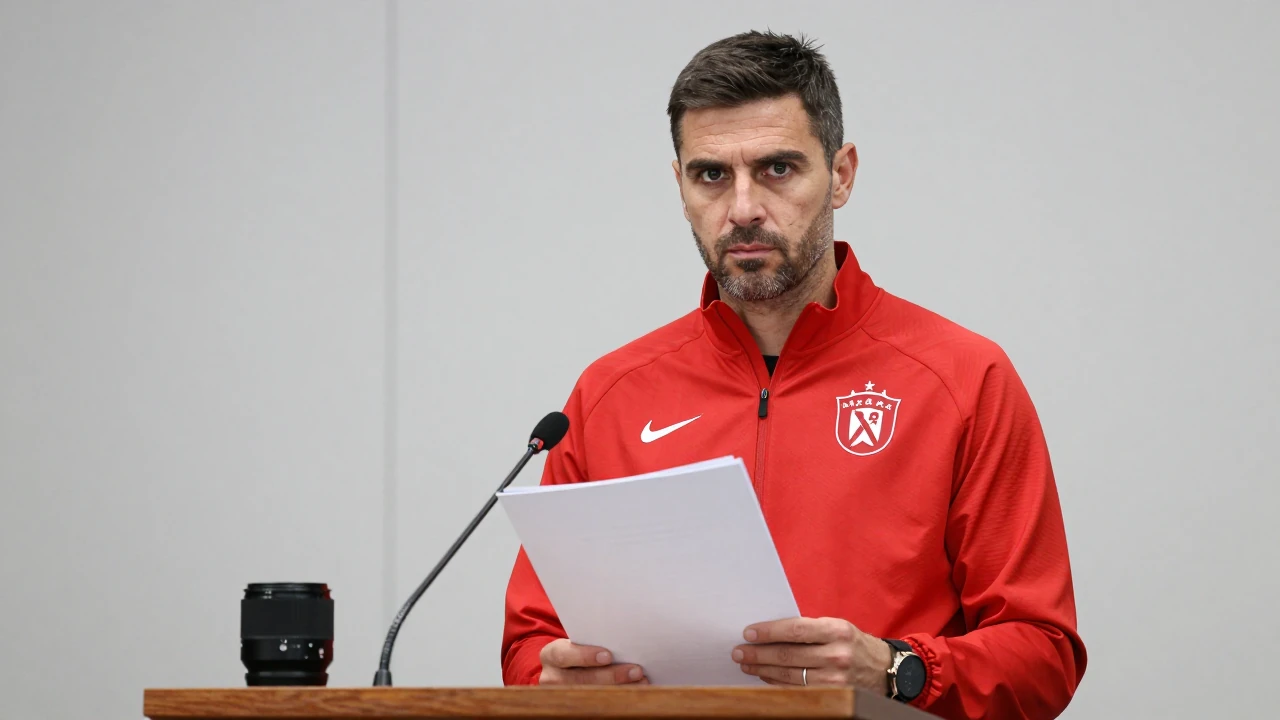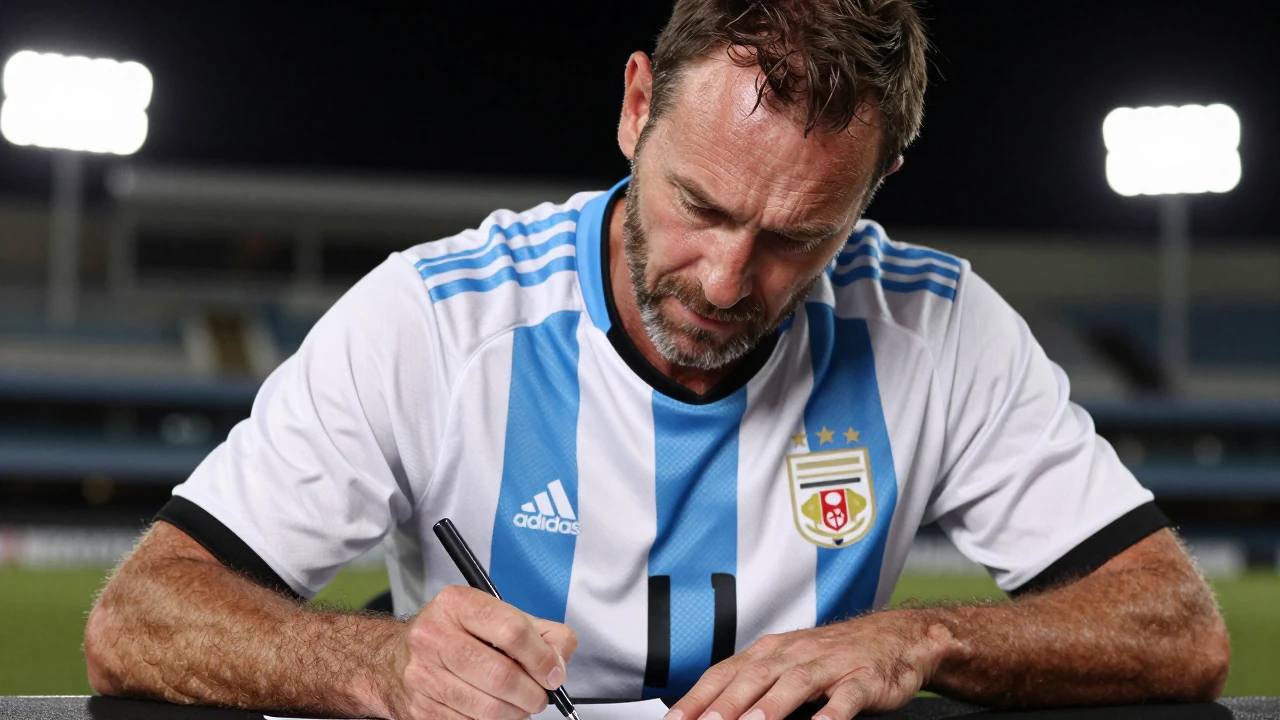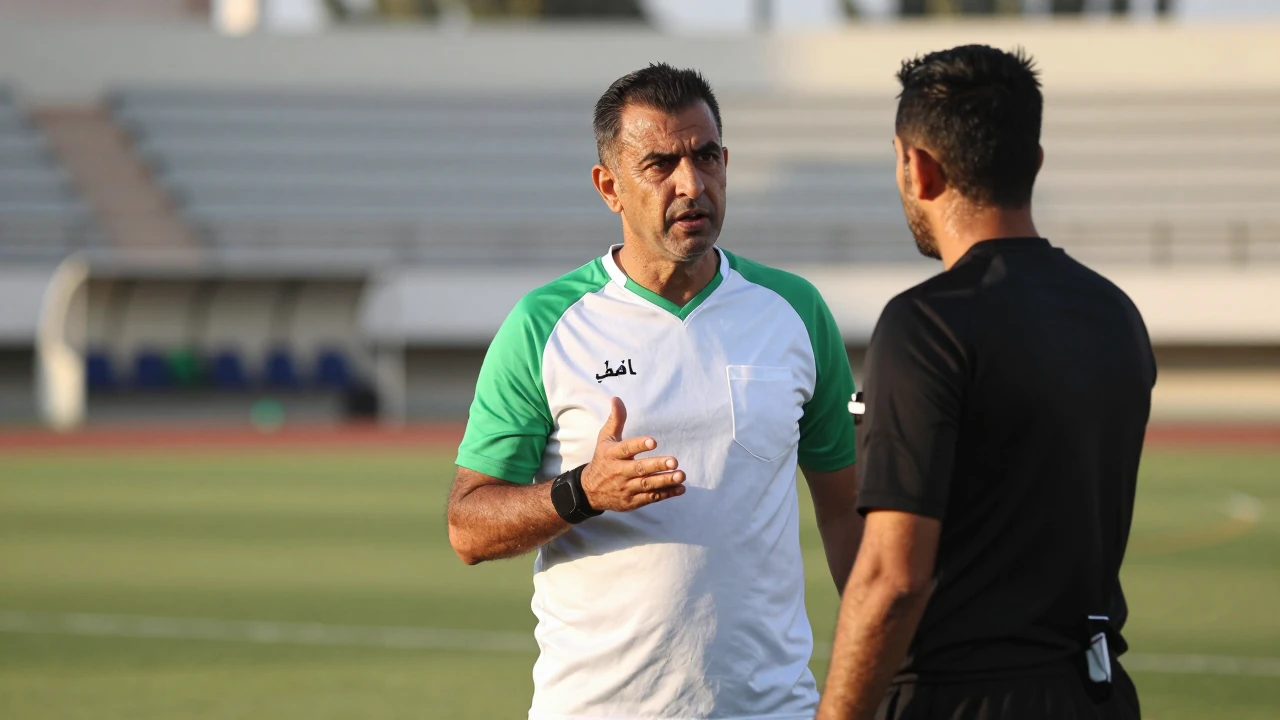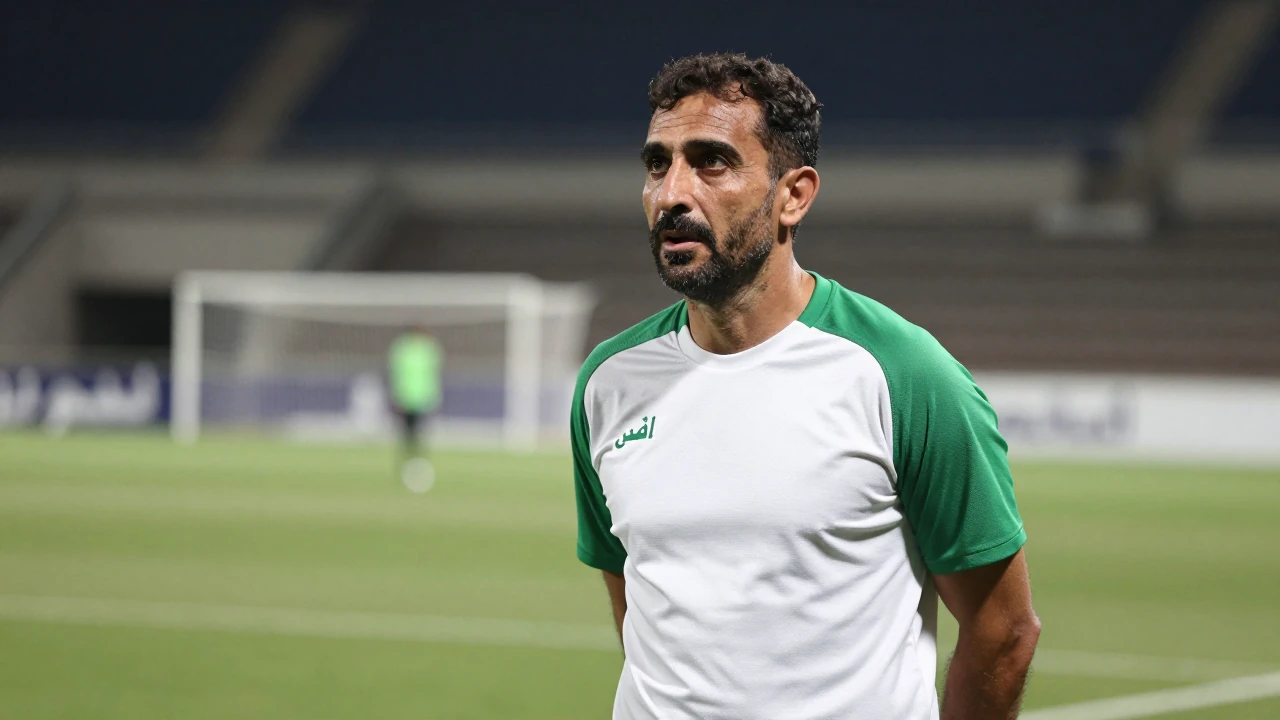
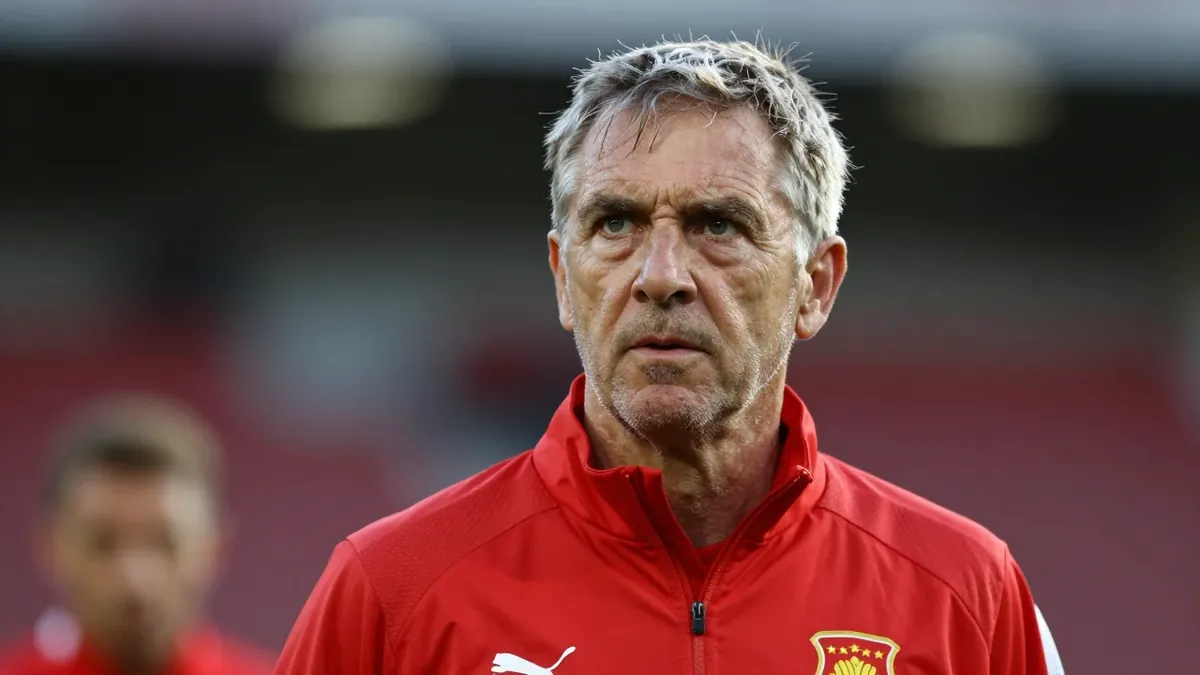
The Iraq Football Association has extended the contract of Australian coach Graham Arnold to lead the national team. The renewal is for six months, covering Iraq's upcoming participation in the Gulf Cup and the 2027 Asian Cup in Saudi Arabia.
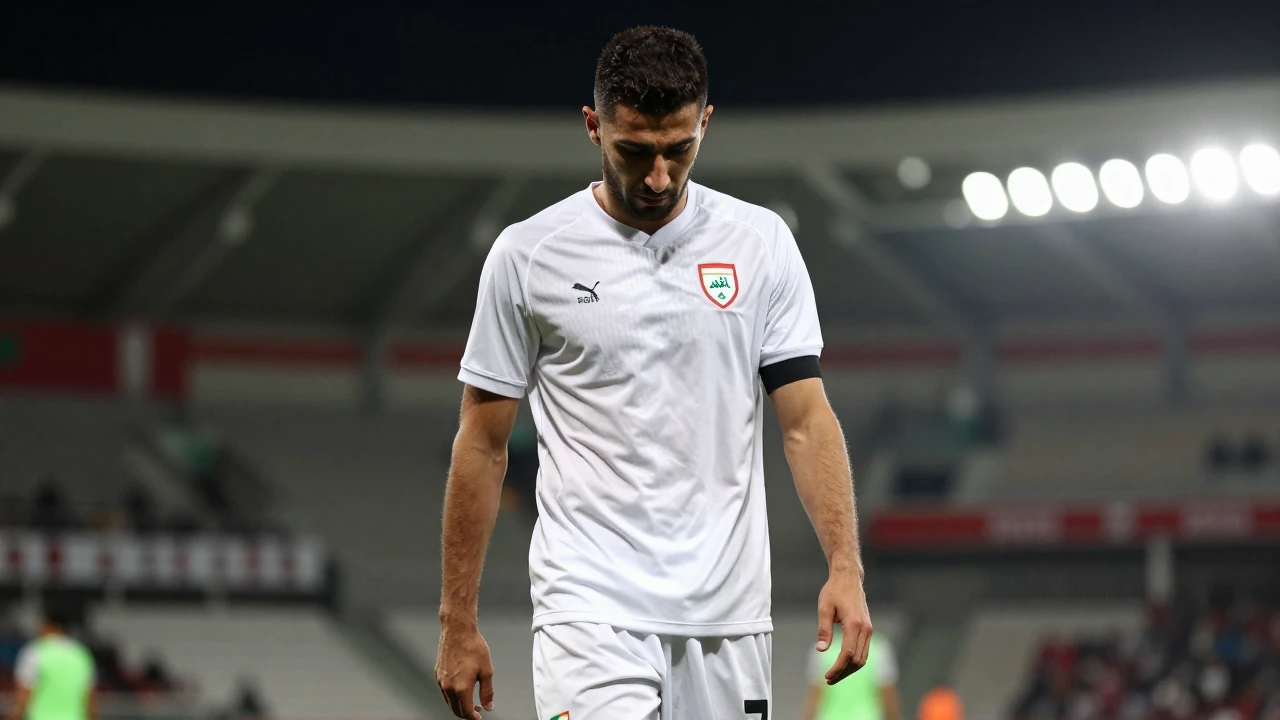
Arnold, 63, took charge of Iraq in May 2025 and guided the team to qualify for the 2026 FIFA World Cup, ending a 40-year absence from the tournament. The team finished fourth in their World Cup group with zero points from three defeats, losing to Norway, France, and Senegal. Their final match was a 5-0 loss to Senegal on June 26, concluding their campaign with one goal scored and twelve conceded, leaving them nine points behind group leaders France.
Why did Arnold agree to only a short-term extension?
The Iraq Football Association offered Arnold a four-year agreement, according to a report by Kurdistan24. However, the former Australia coach opted for a six-month extension instead. Arnold stated directly, "I have renewed my contract for six months and this decision is in my best interest and in the best interest of the Iraq national team."
Arnold's decision is partly due to his desire to assess the next phase following the World Cup experience. He returned from his break early to watch and identify new players, confirming that new faces will be part of the team in its next phase. Fans can follow squad developments on our squad page.
How did Iraq perform at the 2026 World Cup?
The Iraqi national team achieved a historic feat by qualifying for the global finals via an intercontinental playoff, securing the 48th and final spot in the tournament. In the group stage, the team faced global stars like France's Kylian Mbappé and Norway's Erling Haaland. The matches faced logistical difficulties due to regional circumstances, but the journey was closely followed in the Kurdistan Region.
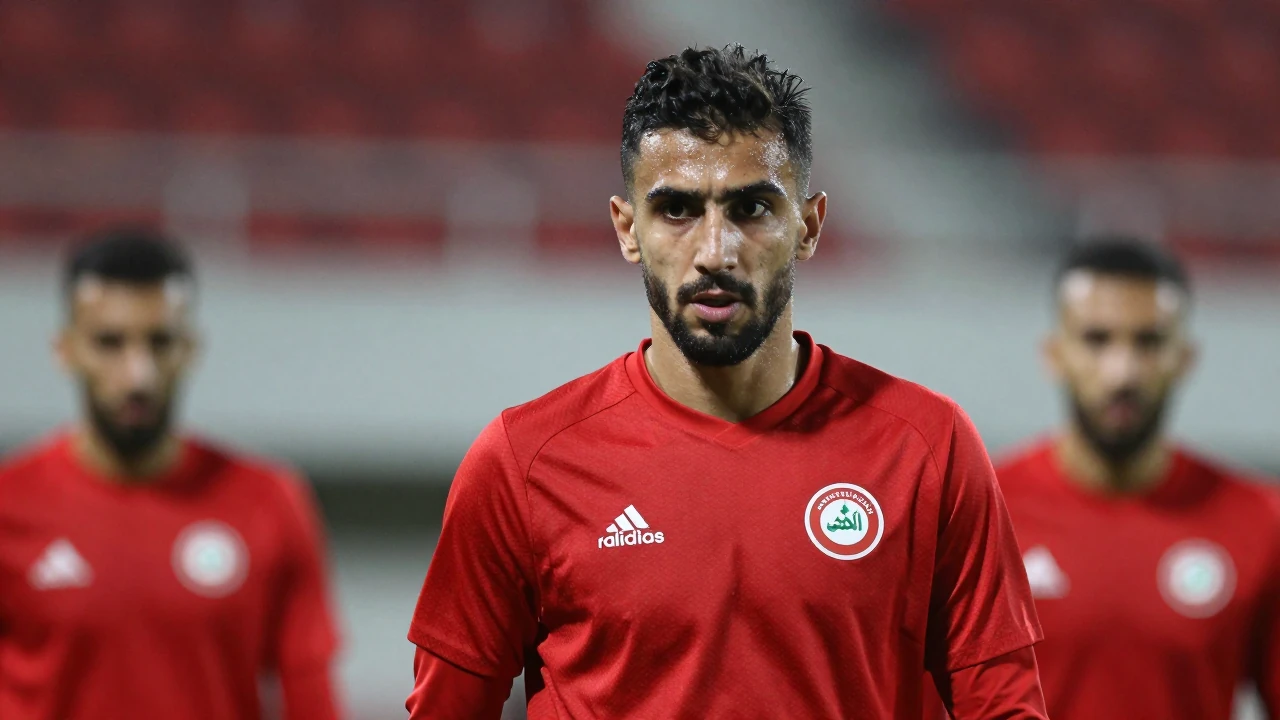
Iraq's World Cup squad was notable for its diversity, including players of Kurdish and Kurdistani heritage. Among them were defender Merchas Doski of Viktoria Plzeň, Akam Hashim, a product of Erbil SC, and forward Marko Farji of Venezia. Also featuring was Youssef Amyn, with family roots in Darbandikhan, part of a generation that had previously represented Germany at youth levels.
What was the role of players of Kurdish heritage?
Players of Kurdish heritage featured prominently during Iraq's campaign. Germany international Deniz Undav, of Kurdish heritage, scored a goal at the tournament, becoming the first player of such heritage to score at a World Cup. This diversity reflects the strength of the Iraqi team and its ability to integrate talent from various backgrounds.
This builds on Iraq's historic achievement of winning the Asian Cup in 2007, one of the nation's most celebrated sporting accomplishments. The team now aims for better results in upcoming continental tournaments.
What are the next challenges for the Iraqi national team?
The Iraqi national team is preparing for two major competitions in the coming months. First is the Gulf Cup scheduled for September, followed by the 2027 Asian Cup in January in Saudi Arabia. Iraq has been drawn in an Asian Cup group with Australia, Singapore, and Tajikistan.
Arnold will rely on a mix of experience and new blood to build a competitive team. The coach said, "I returned early to watch and identify new players ahead of the Gulf Cup and Asian Cup and to build the team for the future." Fans can track the team's standing and results on our standings page.
The contract renewal comes as the Iraqi team looks to recover from a recent run of five consecutive defeats. However, the administration appears confident in Arnold's ability to lead a successful transitional phase, leveraging his global experience from previously managing Australia and his recent feat of guiding Iraq to the World Cup.