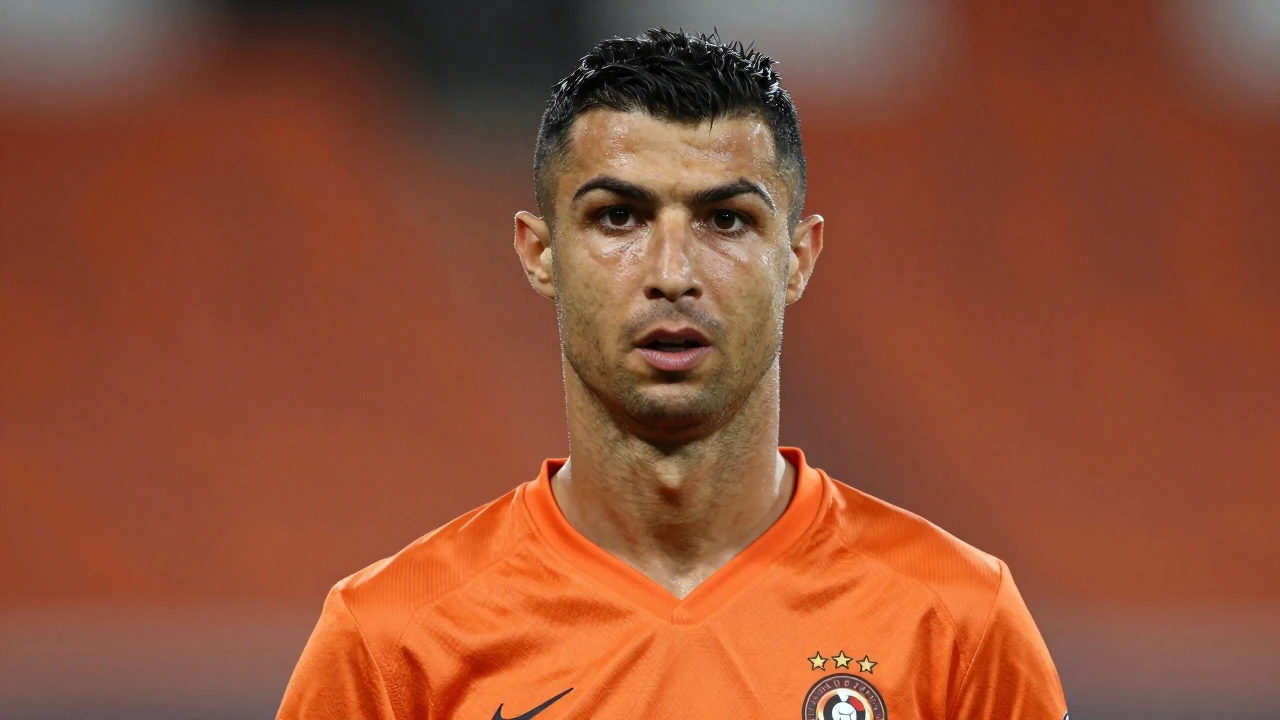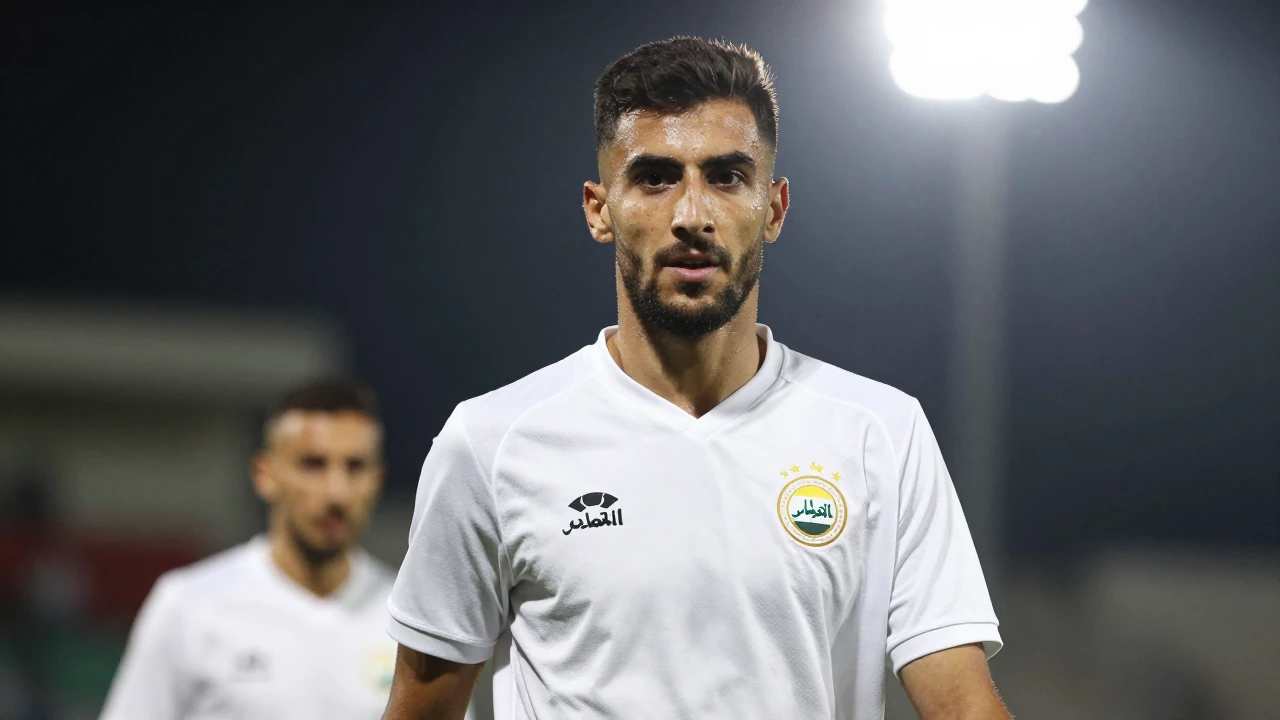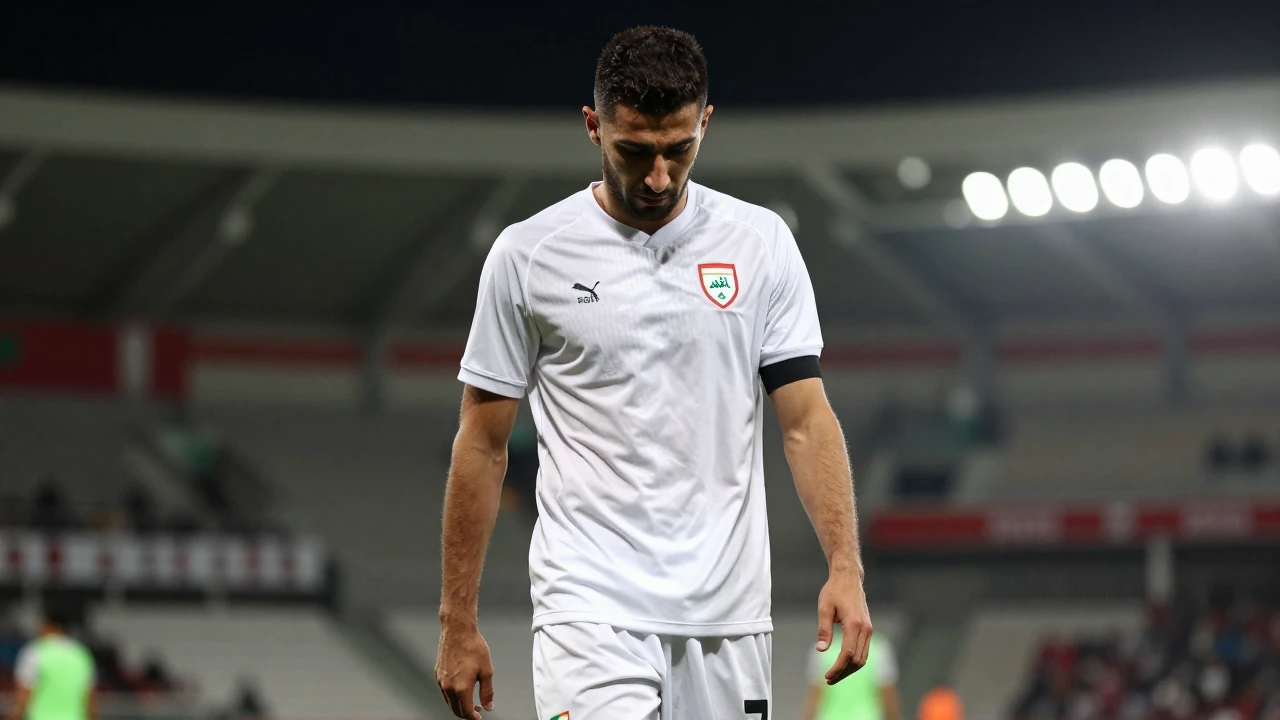
The Iraqi national football team is grappling with a severe internal identity crisis concerning the integration of diaspora players, at a critical juncture where they sit fourth in their 2026 World Cup group with zero points. This conflict has resurfaced through contradictory statements from Iraqi football leaders, according to a report published by Jummar Media on Monday.
The team is suffering disastrous results in the global tournament, having lost all three of their matches while scoring just one goal and conceding twelve. The crushing 5-0 defeat to Senegal on June 26, 2026, is their latest official result, leaving them nine points behind group leaders France. Fans can follow the full standings on our standings page.
What is the nature of the diaspora player debate?
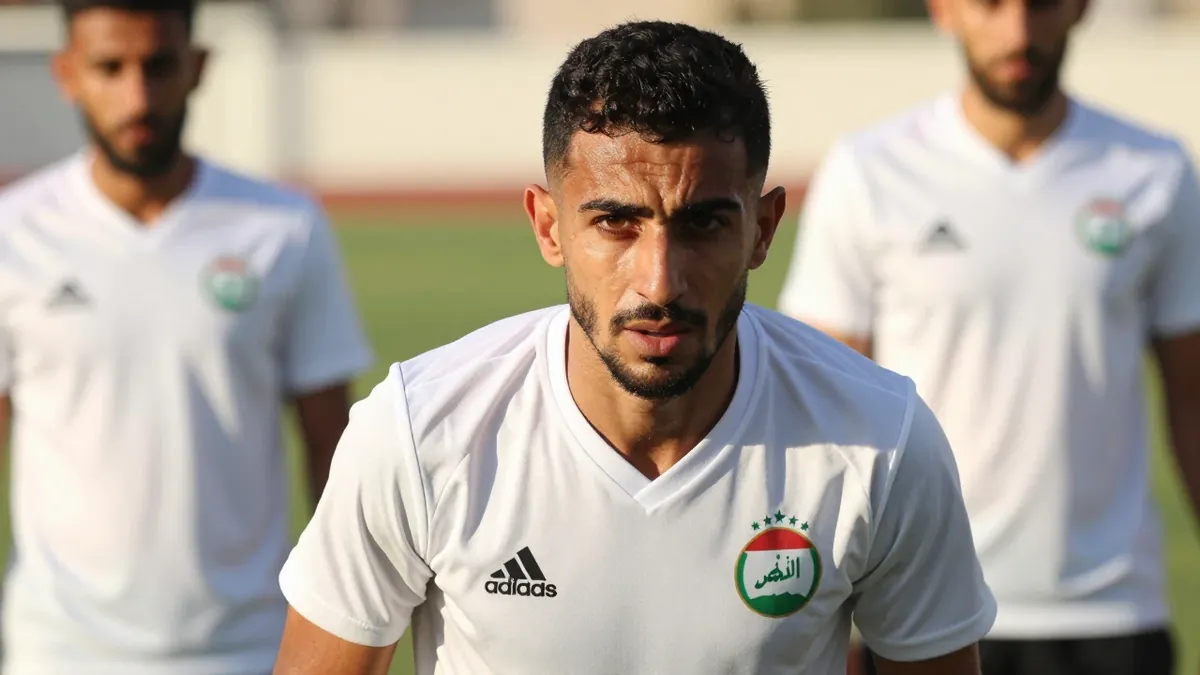
Vice-captain Ibrahim Bayesh sparked controversy by calling for the abandonment of the term "expatriates" and considering everyone "professional players." Bayesh said: "We should not even use the word expatriates."
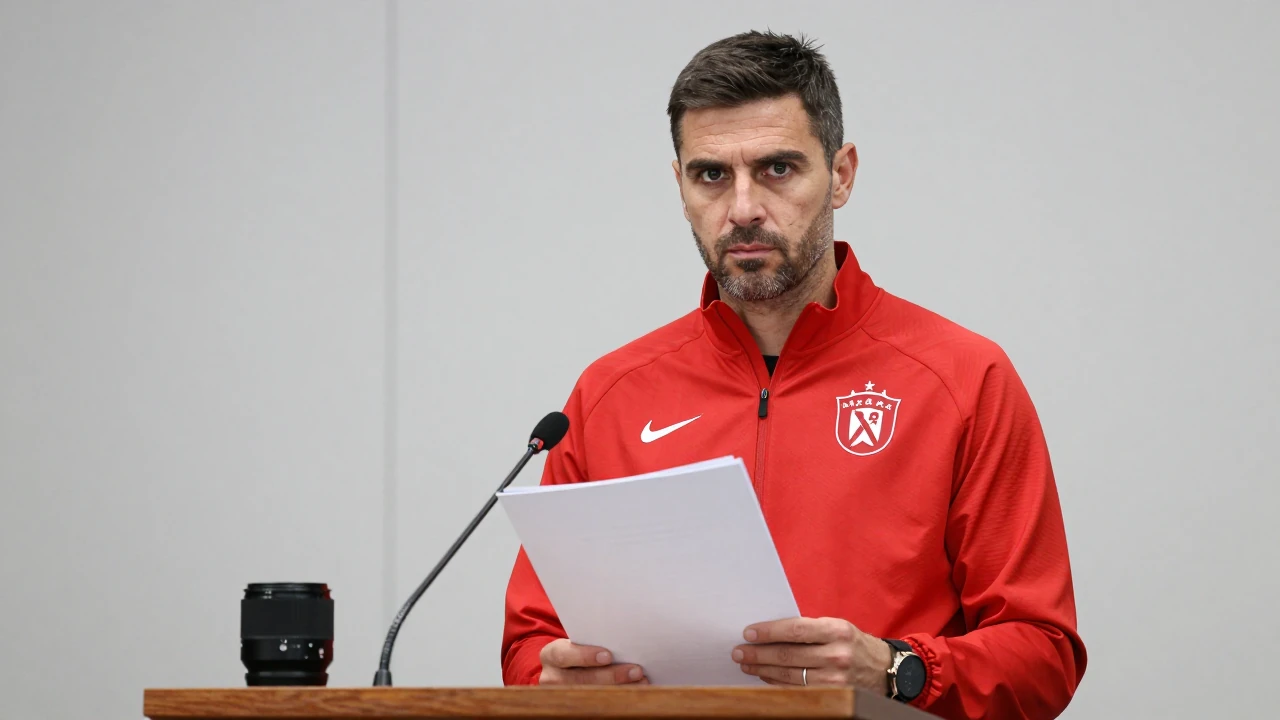
In contrast, Iraqi Football Association president and 2007 Asian Cup hero Younis Mahmoud took an opposing stance. Mahmoud asserted that local players are "better and more deserving of representing the national team," apologizing for the opinion but standing by its essence. This division reflects a deeper problem in post-2003 Iraqi state-building, where institutions have failed to normalize the participation of overseas Iraqis.
How is this crisis affecting the team's performance?
This debate emerges at the worst possible time for the team, which is recording the worst possible start to its World Cup journey after qualifying for the first time in 40 years in April 2026. The team is on a five-match losing streak in its last five games, including the three World Cup losses. These results increase pressure on the technical staff and players ahead of a important fixture against Oman on September 23, 2026, a match detailed on our fixtures page.
Prominent players Aymen Hussein and Zidan Iqbal have denounced the divisive discourse, warning of its negative impact on team morale. Former national team head coach Jesus Casas had previously warned of the need for change in local Iraqi football culture to keep pace with global development.
What global models could Iraq follow?
The Moroccan and Senegalese national teams are cited as successful models for fully integrating diaspora players into the national team setup. Even the French team, which fields an average of just two locally-based players per game, relies primarily on its stars in Europe's top leagues.
The Iraqi experience shows a negative exception in this equation, where the integration issue has become a symptom of institutional dysfunction. This dilemma is not new, with past years witnessing cases like Bassam al-Rawi facing backlash for choosing Qatar, Ameen al-Dakhil representing Belgium, and Noah Darwich playing for Germany.
What is the future of Iraqi football amid these challenges?
More than five million Iraqis live abroad, a diaspora that began with the 1980s war through sanctions, invasion, and years of violence. This diaspora has produced numerous football talents who could enrich the national team, as seen with Yasin Ayari who scored for Sweden against Tunisia and refused to celebrate. But use these resources requires a strategic vision that transcends divisions.
The 2019 Tishreen movement expressed Iraqis' rejection of political fragmentation and sub-identities, and this same spirit is needed today on the pitch. The national unity embodied in the 2007 Asian Cup win must return to lead the football project at this historic moment. Fans can view the full squad lineup on our squad page.
The Iraqi national team will host Oman on September 23, 2026, attempting to break the losing streak and restore confidence.