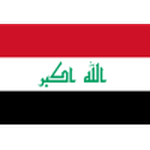
Iraq's national team returned to the World Cup for the first time in 40 years, bringing joy to millions amid a war-torn summer. Despite a 3-0 loss to France on June 22, 2026, their participation alone was a moral victory for a country ravaged by decades of conflict. In Baghdad, cafes became celebration hubs as fans watched matches with renewed hope. ## How Did the World Cup Change Iraqis' Reality? In the capital, the national team became a symbol of resilience. "It’s not just a sporting achievement," says Hussein Mohammed, a 45-year-old dentist. "It’s a message that Iraq can still rise." After years of crises, football offered temporary relief, even though Iraq exited the tournament with no wins in five matches (0W-1D-4L). ## Why Was This Edition Special? The 2026 World Cup saw a record eight Arab teams, including Iraq, qualify for the first time. Though all were eliminated before the semifinals, their presence was a source of pride. In Gaza, where war has destroyed entire neighborhoods, cafes became sanctuaries. "The World Cup gave people a much-needed escape," says Fazl Erfat, a cafe owner. ## What Does This Mean for the Future? While only one team lifted the trophy, many in the Middle East saw the tournament as a different kind of victory. In Lebanon, the matches eased political divisions as fans united behind their favorite teams. In Israel, the final took on political significance, with Argentina gaining support due to President Milei’s pro-Israel stance. Ultimately, football gave Iraqis and Arabs rare moments of feeling connected to the world, far from the sounds of war.
National Team
How Iraq's World Cup Run Brought Hope Amid War
Amid war, the 2026 World Cup gave Iraqis hope. After 40 years, Iraq returned to the tournament despite a 3-0 loss to France. See how football became a refuge in the Middle East.