Iraq's World Cup Qualification: A Step Towards Stability?
Iraq has qualified for the 2026 World Cup, and this qualification is a positive sign for the country's stability after years of chaos and war. But does this mean Iraq has become a rule of law state?
There is no doubt that Iraq today is more secure than it was during the sectarian war or the rule of ISIS. And there is no dispute that the Iraqis deserve to be happy and hopeful. And football is one of the few areas where Iraqis can put aside their political, sectarian, and national differences.
But the transition from a celebratory sports scene to considering it a sign of the country's recovery requires a lot of caution. There is a difference between the community regaining its ability to live and the state regaining its ability to govern fairly.
The Success of the Players Reveals the Importance of Institutions
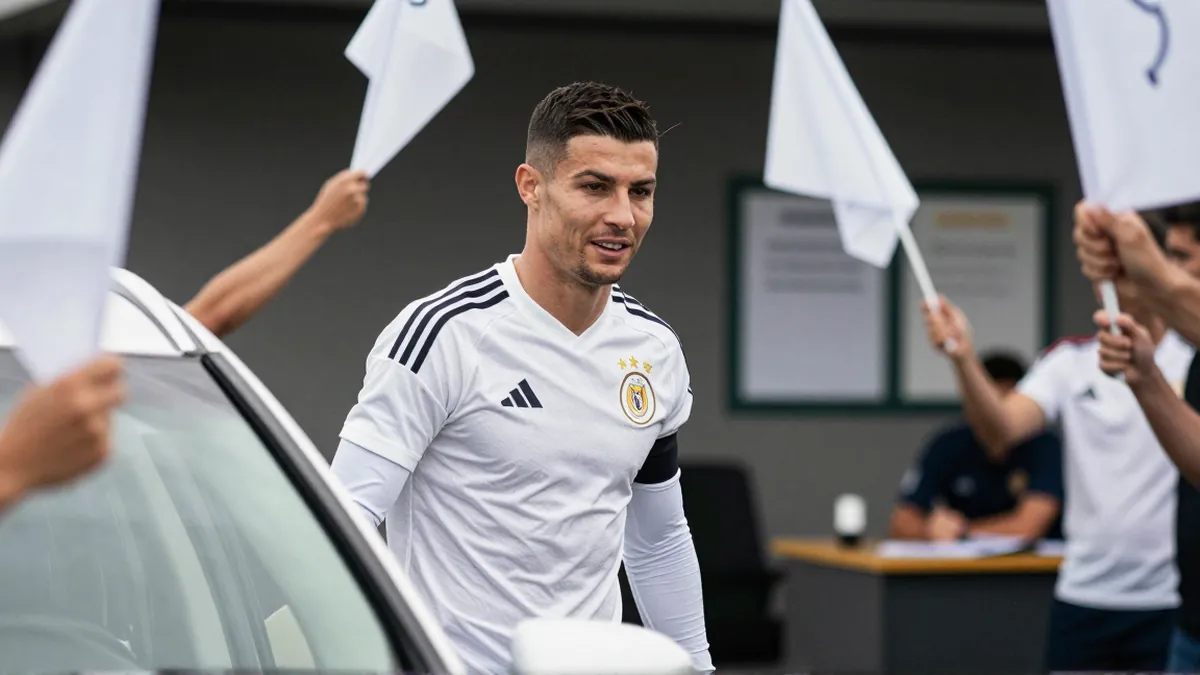
A number of players in the Iraqi national team were born or raised outside Iraq, and they received their training in European clubs and academies that provided them with fields, coaches, care, and institutional discipline since childhood. These Iraqis, and their choice to represent Iraq is a source of pride.
But their success raises an important question: Does their success reflect the success of Iraqi institutions, or does it reveal what an Iraqi can achieve when an institution protects his talent?
Iraq Has Improved Security, But It Has Not Become a Rule of Law State
It cannot be denied that Iraq has achieved a clear improvement in security. Baghdad today is not the Baghdad of daily car bombings, and Iraq is not the Iraq of civil war or ISIS rule.
But the recovery of the state is not measured by football results, but by more difficult questions: Is the law above everyone? Is the gun subject to a national decision? Can the judiciary hold those in power accountable?
The Divisiveness and Corruption
After 2003, the challenge was not just to overthrow a political system, but to build a new state. But the system that emerged relied heavily on sectarian and partisan divisions.
Conclusion
Iraq has qualified for the 2026 World Cup, and this qualification is a positive sign for the country's stability after years of chaos and war. But does this mean Iraq has become a rule of law state?
No, because the recovery of the state is not measured by football results, but by more difficult questions. And there is a difference between the community regaining its ability to live and the state regaining its ability to govern fairly.
And if we want to be confident that Iraq has become a rule of law state, we need to see the law above everyone, the gun subject to a national decision, and the judiciary able to hold those in power accountable.
And if we do not see that, it is better to continue working on building a stable state and continuing to work on improving institutions and the law in Iraq.